 (Image via
Living in a smaller footprint doesn't mean you have to sacrifice style or comfort. In fact, compact living often sparks the most creative design solutions. Whether you are navigating your first studio apartment or downsizing to a cozy condo, the right strategies can transform tight quarters into a spacious sanctuary.
The Magic of Multi-Functional Furniture
When floor space is at a premium, every piece of furniture needs to earn its keep. The days of clunky, single-purpose items are over. Modern design embraces versatility, offering pieces that adapt to your lifestyle throughout the day.
Sofa Beds and Daybeds
Gone are the uncomfortable sofa beds of the past. Today’s options are sleek, comfortable and stylish. Look for a daybed that serves as a cozy reading nook by day and a guest bed by night. This flexibility allows you to host friends without needing a dedicated guest room.
Nesting Tables
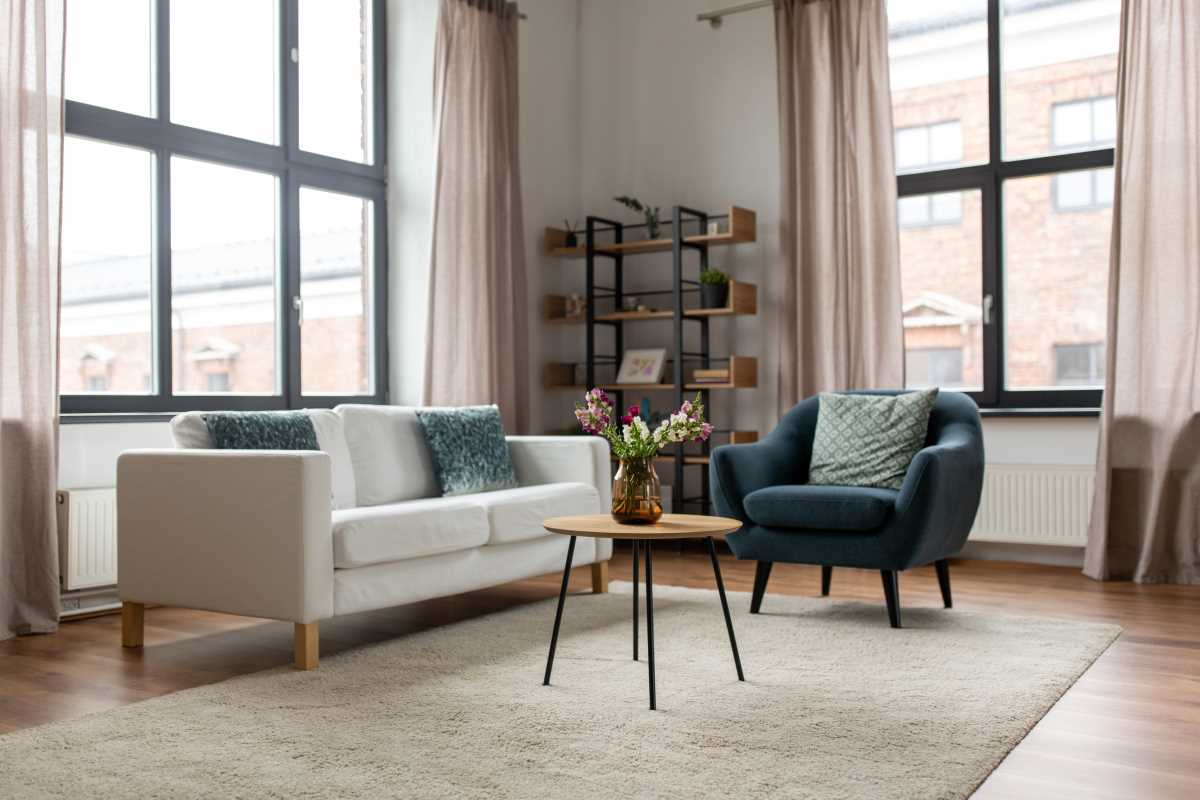
Nesting tables are the unsung heroes of small living rooms. You can stack them neatly when you need floor space for yoga or cleaning. When guests arrive, simply unstack them to provide plenty of surface area for drinks and snacks.
Ottomans with Storage
An ottoman is rarely just a place to rest your feet. Choose one with a removable top to store blankets, board games or magazines. Some sturdy designs even double as extra seating or a coffee table when you add a tray.
- Pro tip: Measure your space twice before buying any furniture. Visual weight matters as much as physical dimensions, so opt for pieces with exposed legs to maintain an airy feel.
Clever Storage Solutions
The secret to a clutter-free small home is maximizing vertical space. When you cannot build out, build up. Using your walls effectively clears the floor and draws the eye upward, making ceilings feel higher.
Floating Shelves
Floating shelves provide storage without the bulk of traditional bookcases. Install them above your desk, bed or even the door frame to display books, plants and art. This keeps your essentials accessible but out of the way.
Over-the-Door Organizers
Don’t overlook the back of your doors. Hooks and organizers can hold everything from coats and bags to shoes and cleaning supplies. This utilizes "dead space" that often goes wasted in closets and bathrooms.
Under-Bed Storage
Your bed takes up significant square footage, so make sure it works hard for you. If your bed frame doesn't have built-in drawers, use rolling bins or vacuum-seal bags underneath. It is the perfect spot for off-season clothing and extra linens.
Lighting and Mirrors: Creating Illusions
You can manipulate how large a room feels without knocking down a single wall. Light and reflection are powerful tools in an interior designer’s arsenal. They trick the eye into perceiving more depth and openness than actually exists.
The Power of Mirrors
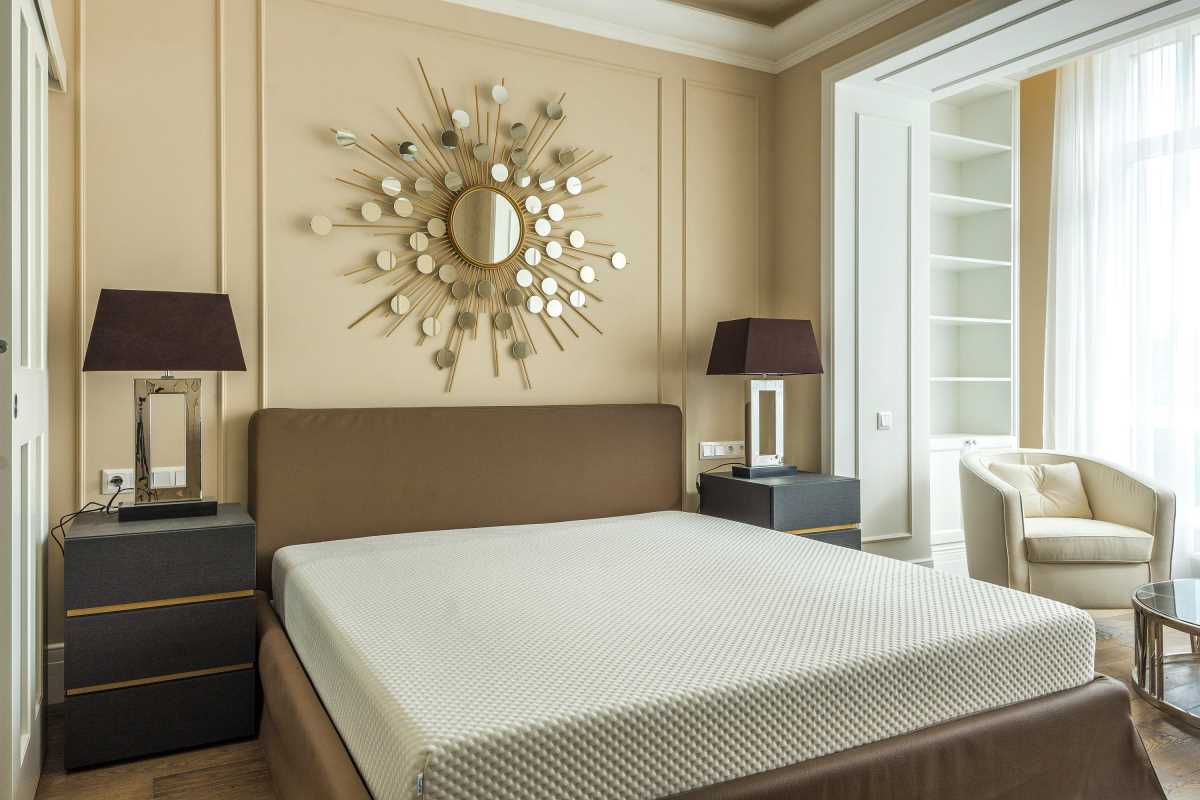
Mirrors bounce natural and artificial light around the room, instantly making it feel brighter and larger.
- Opposite windows: Place a large mirror directly across from a window to reflect the outdoors and maximize natural light.
- Mirrored furniture: Consider a mirrored coffee table or wardrobe to reduce visual weight and add a touch of glamour.
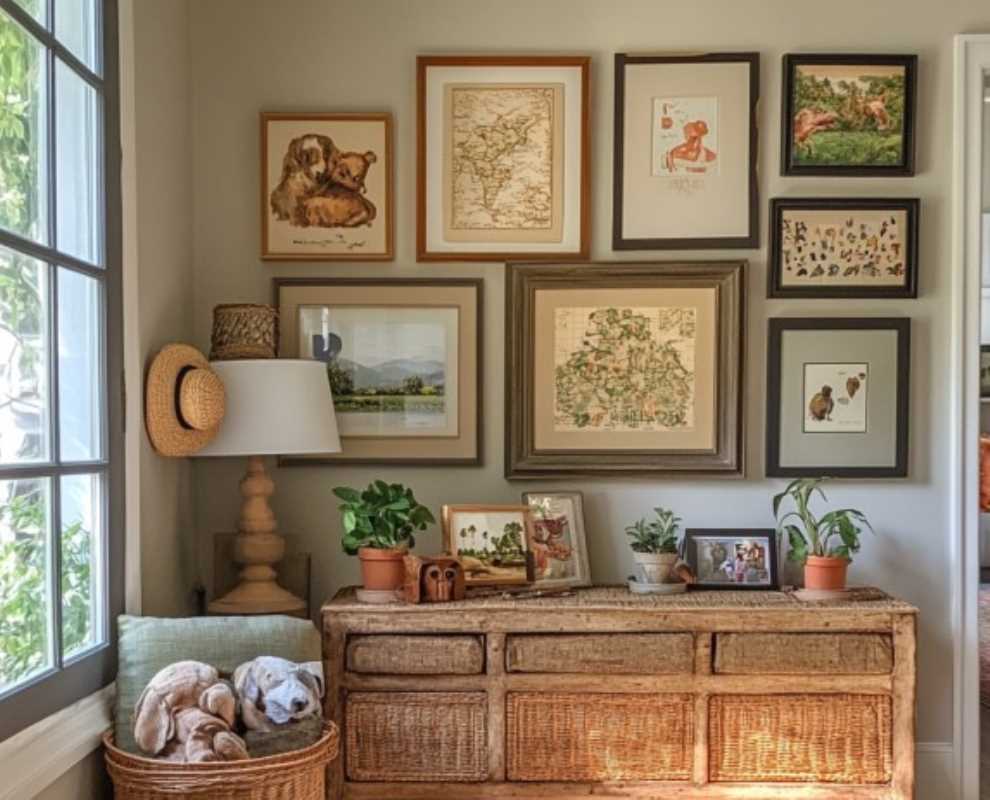
- Gallery walls: Mix smaller mirrors into an art gallery wall to add depth and interest.
Layered Lighting
Relying on a single overhead light often leaves corners in shadow, making a room feel small and boxy. Instead, layer your lighting to create warmth and dimension.
- Ambient lighting: Use ceiling fixtures for general illumination.
- Task lighting: Add lamps for reading or cooking to define specific zones.
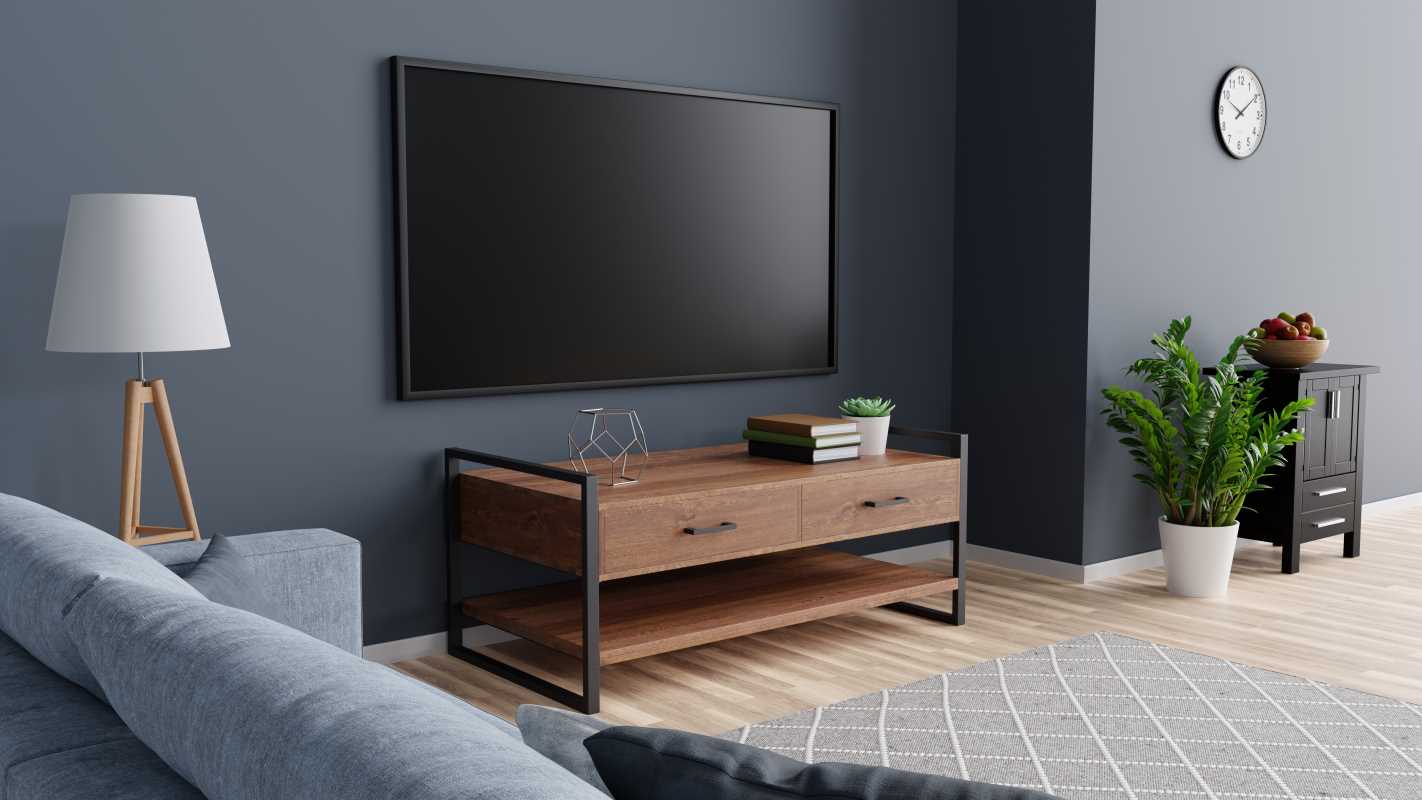
- Accent lighting: Use LED strips behind a TV or under shelves to add depth.
The Art of Decluttering
No amount of clever furniture or lighting can fix a cluttered room. In a small space, mess amplifies quickly. Adopting a mindful approach to what you own is the most effective way to maintain a spacious feel.
The "One In, One Out" Rule
This simple habit creates a sustainable balance. Every time you buy a new item—whether it is a shirt, a book or a kitchen gadget—donate or recycle an old one. This prevents accumulation and keeps your inventory manageable.
Regular Edits
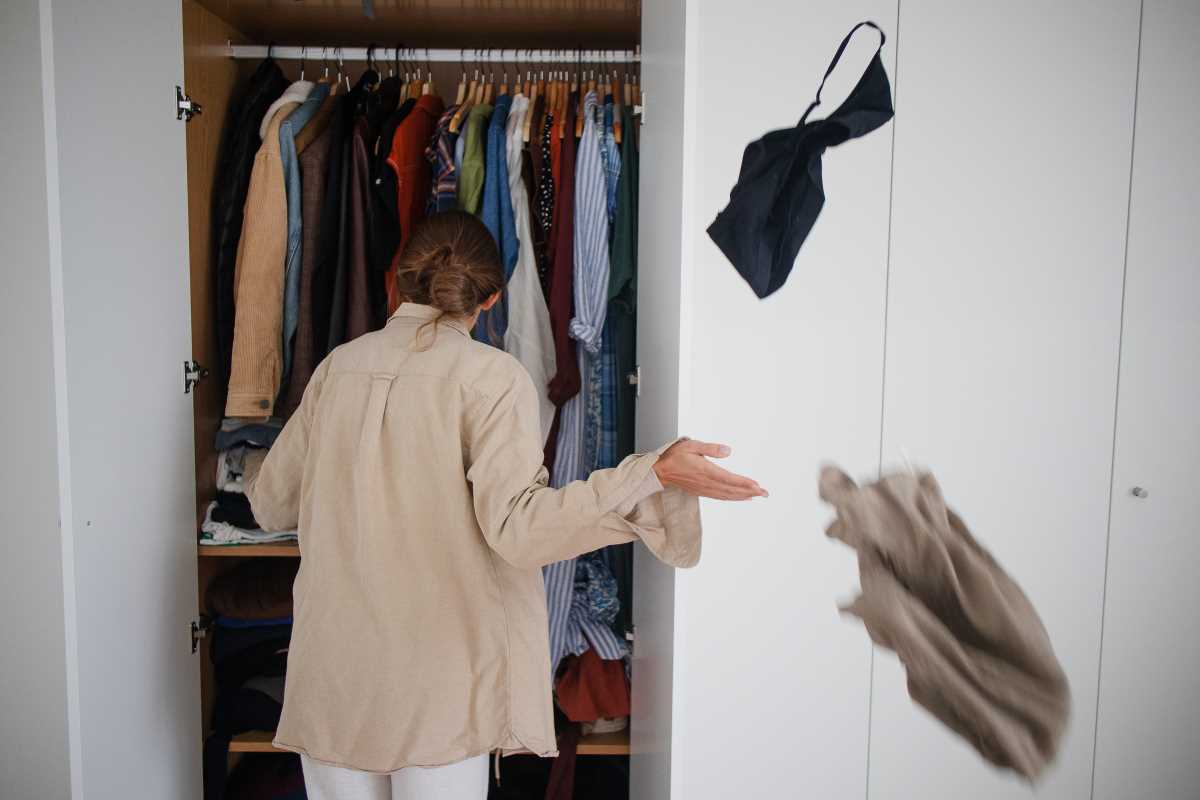
Schedule a quick decluttering session once a season. Go through drawers and closets to identify items you haven't used in months. Be honest with yourself about what adds value to your life.
Visual Quiet
Visual clutter is just as impactful as physical clutter. Keep surfaces relatively clear. Group smaller decor items on trays rather than scattering them across tables. This creates "white space" for the eye to rest, contributing to a sense of calm.